Taxi Booking App Development
 Uber-Like App Development
 Driver & Rider Mobile Apps
 Admin Dashboard Development
 Fleet Management Solutions
 Maintenance & Support


We use modern, secure, and scalable technologies to build high-performance ride sharing applications that support real-time ride tracking, seamless user interactions, and reliable platform performance.
 Swift
Swift
 Kotlin
 React Native
 Flutter
 Node.js
 .NET Core
 Laravel
 React.js
 Angular
 Vue.js
 AWS
AWS
 Microsoft Azure
 Google Cloud
 Maps & Location Services
 Mapbox
 Geolocation APIs











The cost of developing a ride sharing application depends on the platform complexity, features, integrations, and technology stack. Apps with advanced capabilities such as real-time tracking, dynamic pricing, and payment integrations typically require a larger development investment.
The development timeline depends on the features and platform requirements. A basic ride sharing application may take a few months to develop, while a fully featured platform with driver apps, rider apps, and an admin panel may take longer.
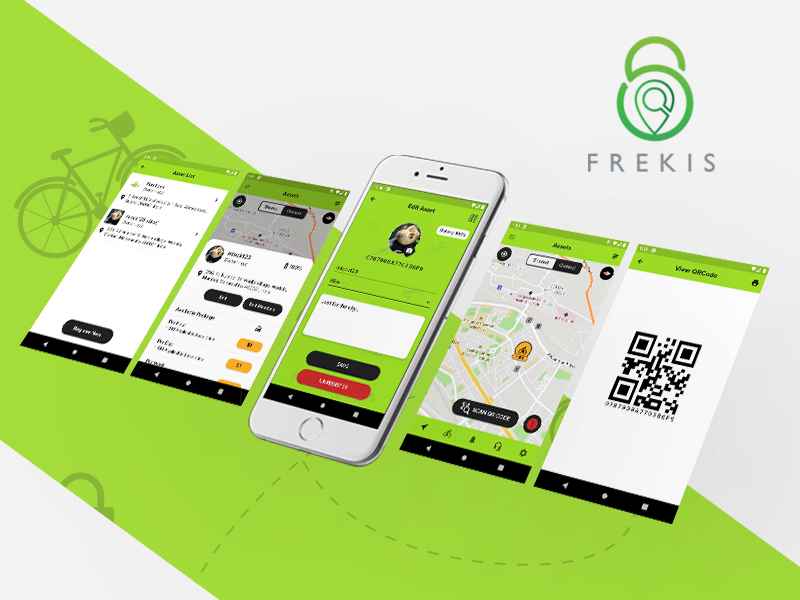
A ride sharing application generally includes features such as GPS-based ride tracking, driver and rider registration, ride booking, fare estimation, secure payments, push notifications, and rating systems.
Yes, ride sharing platforms similar to popular mobility apps can be developed with features such as driver matching, real-time tracking, ride scheduling, dynamic pricing, and payment integrations.
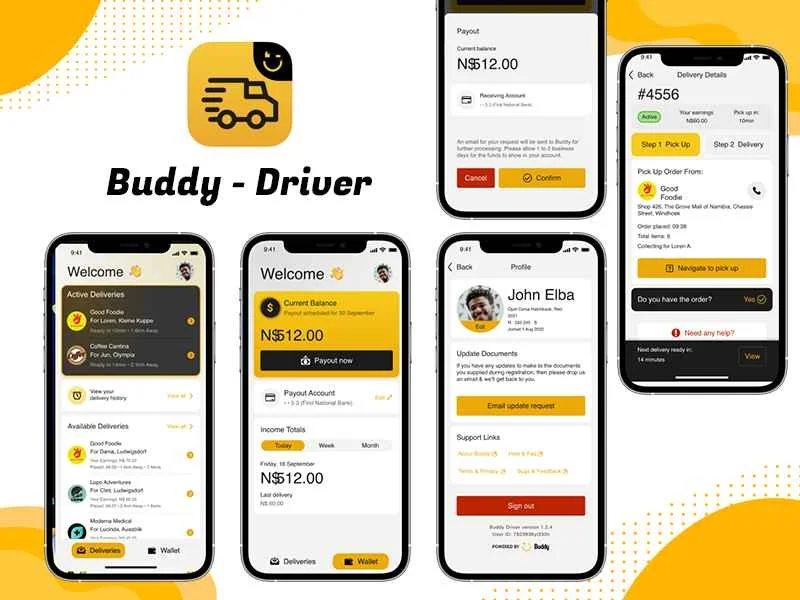
Most ride sharing platforms include two mobile applications: one for riders to request rides and another for drivers to manage trips. An admin dashboard is also used to monitor platform activity and manage users.