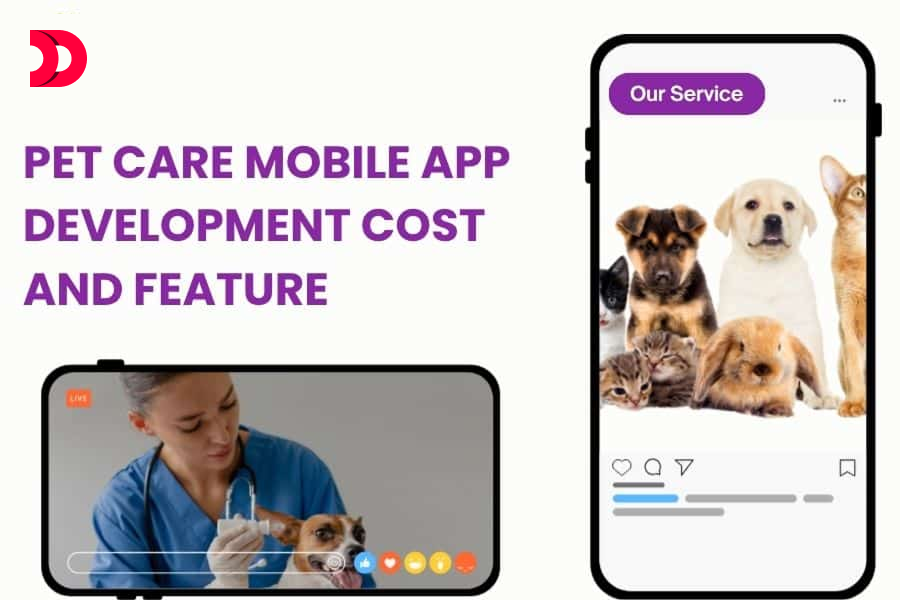
Pet care apps are revolutionizing how pet owners manage their furry friends’ health, grooming, and daily needs. With the global pet care market booming, developing a pet care app offers a lucrative opportunity to tap into a growing audience of pet lovers. This guide covers the essential features, development costs, and technology stack needed to build a successful pet care app.
For more info : On-Demand App Development Company in Australia for Scalable, Real-Time Apps
Why Develop a Pet Care App?
The demand for pet care solutions is rising, driven by increasing pet ownership and a focus on pet wellness. Here’s why building a pet care app makes sense:
- Rising Pet Ownership: Over 60% of households in countries like the US and Australia own pets, creating a large target market.
- Convenience: Pet owners seek all-in-one solutions for scheduling, health tracking, and finding services.
- Tech Adoption: Mobile apps are preferred for managing pet care tasks, from booking vet appointments to ordering supplies.
- Monetization Potential: Revenue streams include subscriptions, in-app purchases, and service provider partnerships.
Key Features of a Pet Care App
A pet care app must balance functionality with a user-friendly experience. Here are the must-have features:
User Profiles and Pet Profiles
- Secure user authentication (email, social media, or SSO).
- Pet profiles with details like breed, age, medical history, and vaccination records.
- Multi-pet management for owners with multiple animals.
Appointment Scheduling
- Booking for vet visits, grooming, or training sessions.
- Calendar integration and reminders for upcoming appointments.
- Real-time availability of service providers.
Health and Wellness Tracking
- Track vaccinations, medications, and vet visit history.
- Reminders for flea treatments, deworming, or dietary schedules.
- Integration with wearables for activity and health monitoring.
Service Provider Marketplace
- Search for local vets, groomers, pet sitters, or walkers.
- User reviews, ratings, and pricing comparisons.
- In-app booking and payment processing.
E-Commerce Integration
- Shop for pet food, toys, or accessories within the app.
- Subscription models for recurring deliveries.
- Integration with payment gateways like Stripe or PayPal.
Communication Tools
- In-app chat or video calls with vets or trainers.
- Community forums for pet owners to share tips.
- Push notifications for health alerts or order updates.
Gamification and Engagement
- Rewards for completing pet care tasks (e.g., daily walks).
- Pet care tips and educational content tailored to the pet’s breed.
- Social sharing for pet milestones or photos.
Compliance and Security
- Data encryption to protect user and pet information.
- Compliance with privacy laws (e.g., GDPR, CCPA).
- Accessibility features for inclusive design (WCAG compliance).
Building a pet care app involves a structured process:
- Market Research: Study competitors like Pet Desk, Rover, or Chewy to identify unique selling points.
- Define Scope: Choose core features, target audience (e.g., dog owners, cat owners), and platforms (iOS, Android, web).
- Technology Stack:
- Frontend: React Native or Flutter for cross-platform development.
- Backend: js, Express, or Django for scalable APIs.
- Database: MongoDB or Firebase for real-time data.
- Cloud: A WS, Google Cloud, or Firebase for hosting and storage.
- APIs: Google Maps for location services, Twilio for messaging, Stripe for payments.
- UI/UX Design: Design intuitive interfaces with pet-themed visuals and easy navigation.
- Development: Build an MVP with essential features, then add advanced functionalities like AI-based health insights.
- Testing: Perform usability, performance, and security tests to ensure reliability.
- Launch and Maintenance: Deploy on app stores, gather user feedback, and release regular updates.
Cost Breakdown
The cost of developing a pet care app depends on complexity, features, and team location. Here’s an estimate (in USD):
- Market Research and Planning: $3,000–$8,000
- UI/UX Design: $8,000–$15,000
- Frontend and Backend Development: $25,000–$70,000 (MVP)
- Advanced Features (e.g., AI diagnostics, wearables): $15,000–$40,000+
- Testing and QA: $5,000–$12,000
- Maintenance and Updates: $8,000–$15,000/year
Total (MVP): $50,000–$120,000
Factors Affecting Costs:
- Team Location: Developers in the US charge $50–$150/hour; offshore teams charge $20–$50/hour.
- App Complexity: Basic apps with scheduling cost less than those with e-commerce or AI features.
- Platforms: Cross-platform apps are more cost-effective than separate native apps.
Challenges and Solutions
- Challenge: Ensuring data security for sensitive pet and owner information. Solution: Use end-to-end encryption and comply with privacy regulations.
- Challenge: Engaging users across diverse pet types (dogs, cats, birds). Solution: Offer customizable features and breed-specific content.
- Challenge: High competition in the pet care market. Solution: Focus on niche features like AI health predictions or local service integrations.
Developing a pet care app is a promising venture in today’s pet-loving world. By incorporating essential features like health tracking, appointment scheduling, and e-commerce, you can create a valuable tool for pet owners. With development costs ranging from $50,000 to $120,000 for an MVP, careful planning and a robust tech stack (React Native, Node.js, Firebase) are key to success. Address challenges like security and competition with innovative solutions, and you’ll be well-positioned to capture the growing pet care market.
You may have also like : App Development Cost in Australia: How Much Does It Really Cost in 2026?